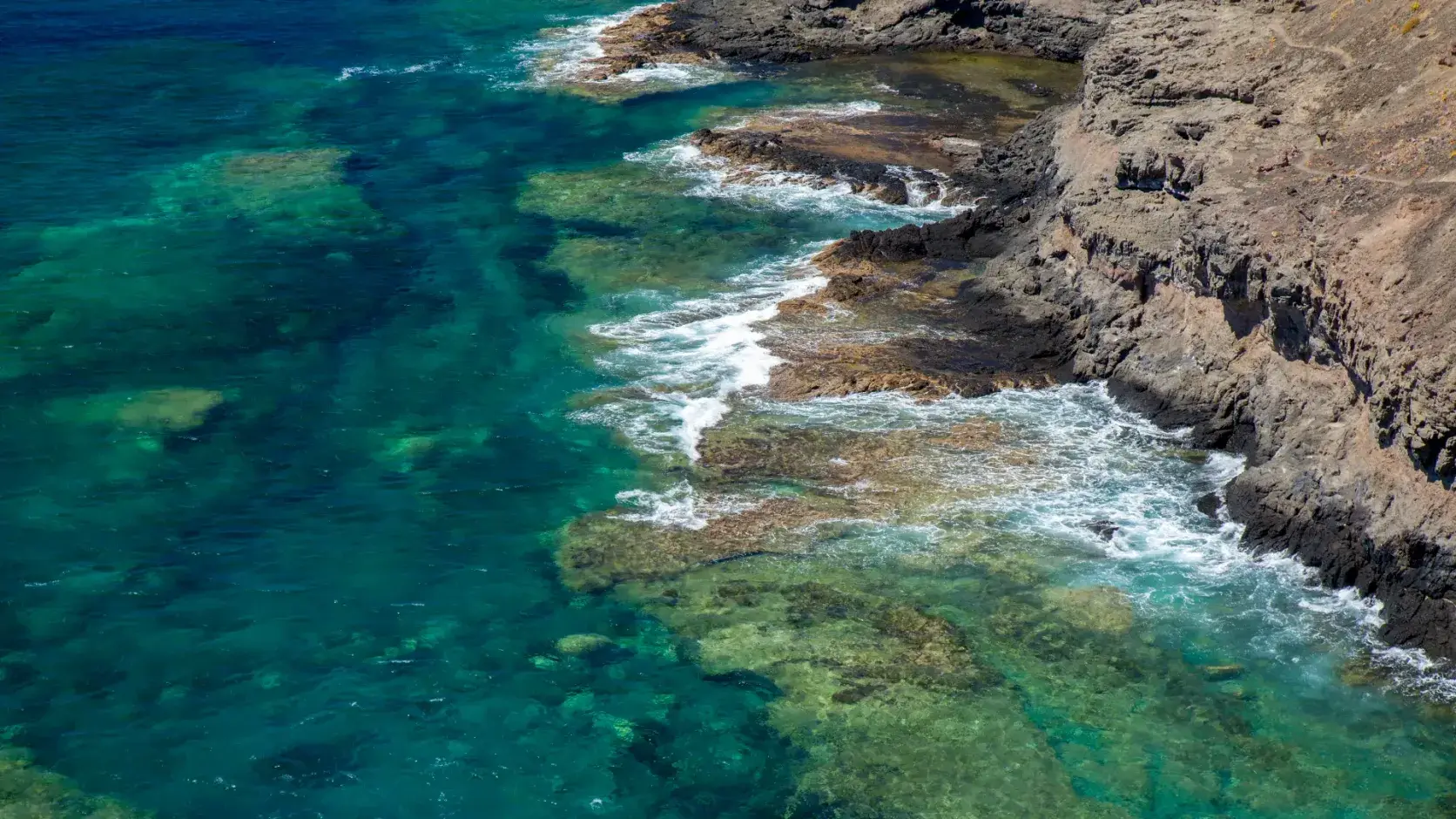
What to Do in Gran Canaria: Dunes, Coast, Summit and Local Flavour
Gran Canaria has the rare quality of suiting almost any kind of traveller. Those who arrive looking for the beach end up, almost without noticing, captivated by its mountains; those planning a city break end up watching the sunset among the dunes. The island's best experiences aren't confined to the coast: they also turn up on inland roads, in markets, ravines, viewpoints and villages where the clock seems to run a little slower.
A landscape that changes with the light
Few places capture Gran Canaria's surprising character as well as the Dunas de Maspalomas. This protected natural space transforms with the wind and the time of day, and is best explored unhurried. At sunrise or sunset, the low light turns the sand into an almost cinematic setting.
If you can choose the time, go early or late in the day: the temperature is milder and the light completely changes the look of the landscape.
Las Canteras, the beach that's also a city
Playa de Las Canteras, in Las Palmas de Gran Canaria, works as a great urban living room facing the Atlantic: here people swim, stroll, have breakfast with sea views, exercise and have dinner as evening falls. Walking its seafront promenade, almost three kilometres long, is a perfect way to grasp the capital's unhurried pace.
The other Gran Canaria: climbing to the summit
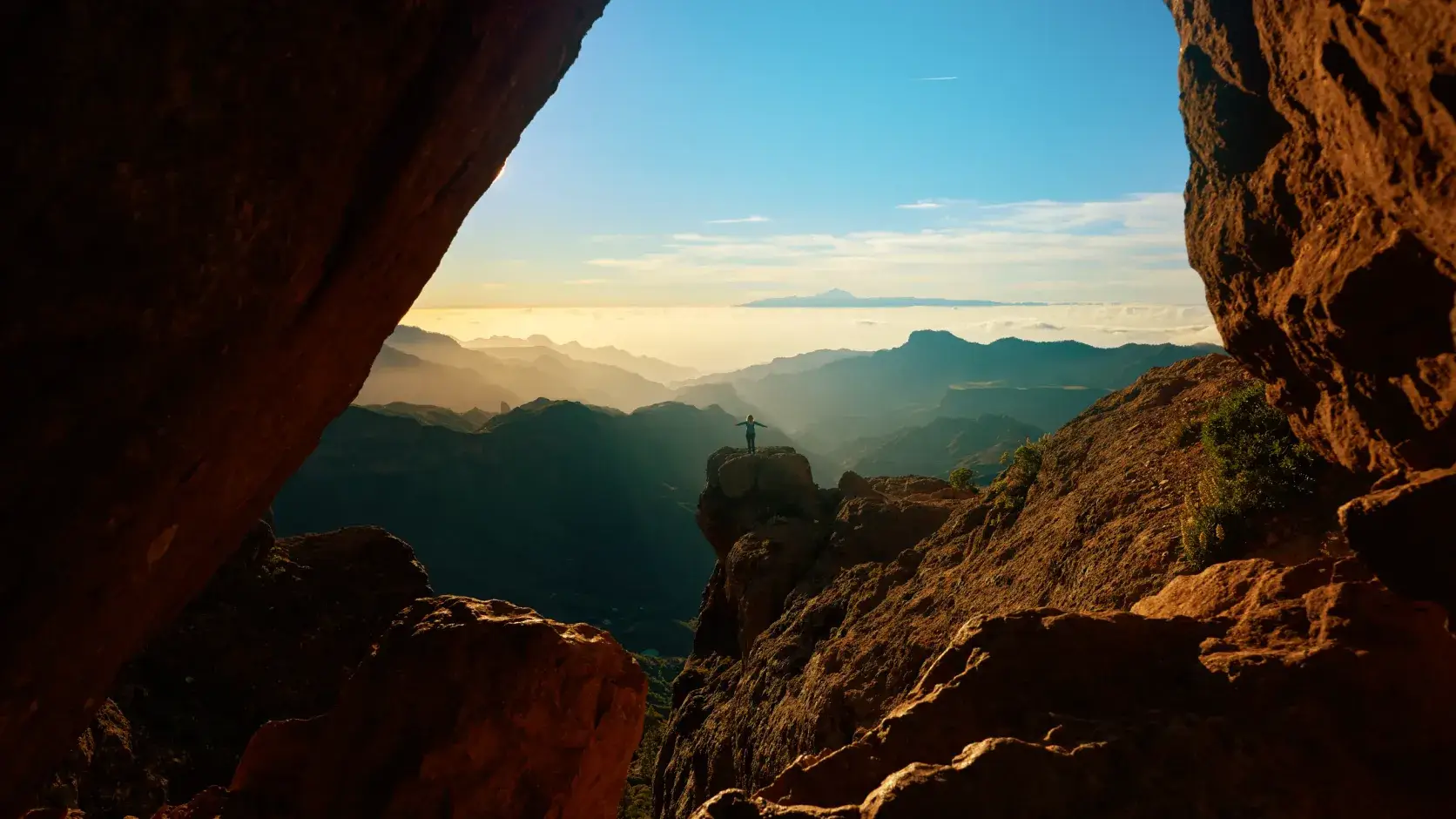
The interior reveals an island completely different from the one shown in beach postcards. The route to Roque Nublo, Tejeda or Artenara uncovers viewpoints, pine forests and ravines, and proves that Gran Canaria is far greener and more rugged than those who know only the south might imagine. It's a near-essential excursion for anyone travelling with a camera in hand.
Eating where the local produce leads
A trip to Gran Canaria is also remembered at the table. Cheeses from the midland areas, papas arrugadas with mojo, fresh fish from the coast and traditional sweets turn up in markets, roadside stalls and restaurants across the island. Eating inland after a route up to the summit is often one of the most memorable moments of the trip.
Villages that are nothing alike
Teror, Agaete and Puerto de Mogán show very different sides of the island: some look to the mountains, others to the sea, but each helps build a fuller picture of Gran Canaria. None is fully understood without comparing it to the others.
The best experiences in Gran Canaria are the ones that mix contrasts: beach in the morning, mountain in the afternoon and an unexpected sunset just when you thought you'd seen it all.
FAQs
What are the best things to do in Gran Canaria?+
The experiences that best represent the island combine contrasts: walking through the Dunas de Maspalomas, experiencing Las Canteras like a local, climbing to the summit towards Roque Nublo, Tejeda or Artenara, sitting down to eat midland produce, and exploring villages as different from each other as Teror, Agaete and Puerto de Mogán.
What can you do at the Dunas de Maspalomas?+
The main thing is to stroll through this protected natural space unhurried, letting the light and wind set the pace of the visit. Going at sunrise or sunset, when the sun is low, is the best way to see how the landscape changes.
What nature experiences does inland Gran Canaria offer?+
The route to Roque Nublo, Tejeda or Artenara opens up a far more mountainous Gran Canaria, with viewpoints, pine forests and ravines that surprise anyone who only knows the southern beaches. It's a highly recommended excursion for those looking for nature and great views.
What local food is worth trying on the island?+
Cheeses from the midland areas, papas arrugadas with mojo, fresh fish from the coast and traditional sweets are a good sample of Canarian cuisine. They're easy to find in markets and restaurants across the island, especially inland.
You may also like
Gran Canaria in a Week: A Complete Island Itinerary
 Guide
GuideGran Canaria in a Week: A Complete Island Itinerary
A seven-day tour of Gran Canaria: the capital, the Dunas de Maspalomas, Puerto de Mogán, the summit of Roque Nublo, the inland villages and the best beaches to close out the trip.
South or North in Gran Canaria: How to Choose Where to Stay
 Guide
GuideSouth or North in Gran Canaria: How to Choose Where to Stay
We compare the south and north of Gran Canaria by climate, beaches, atmosphere and accommodation, to help you decide which area best suits your trip.